Hoarding Cleanup
Respectful sorting, item removal and deep cleaning are included in hoarding cleanup.
See hoarding cleanupClear a crowded home in Bulfinch Triangle with careful sorting, approved junk removal and cleaning of exposed rooms. You decide what stays, what can be donated and what leaves the property.
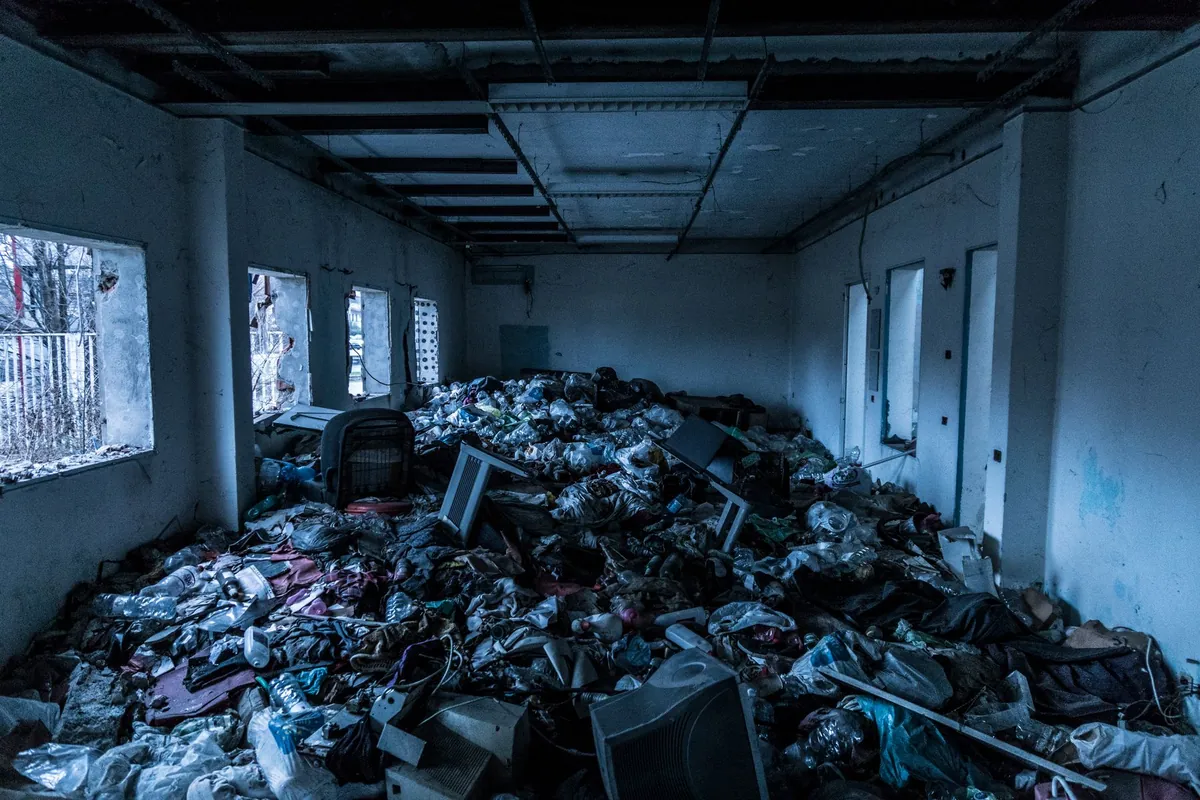
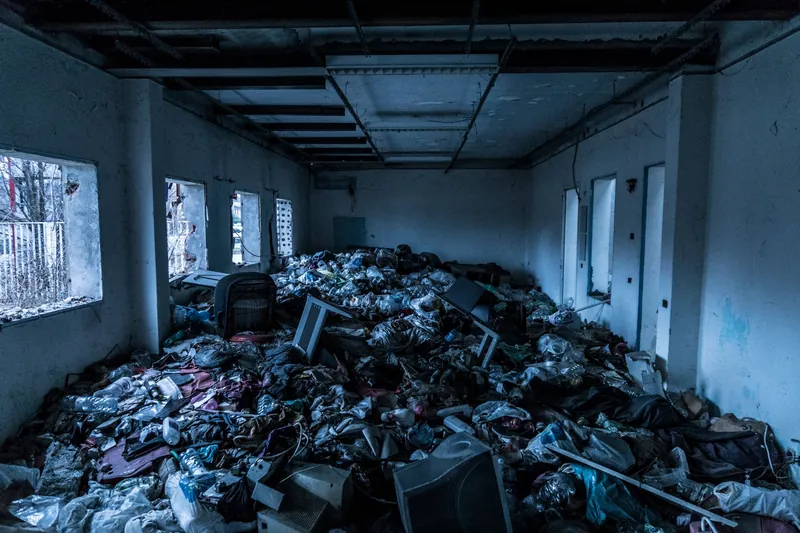
A hoarder house cleanout organizes a large volume of belongings into sorted groups, clears away unwanted material and refuse, then cleans rooms and surfaces that are uncovered.
This is more involved than routine home cleaning or a fast junk collection. Rooms can be inaccessible, pathways can be tight and items worth saving may sit among refuse. Your priorities come first in the cleanup. Belongings are separated into keep, donation, recycling and discard groups. Personal property such as money, documents, jewelry and photographs is set apart so you can decide what happens to it.
Some homes need only a hoarding cleanup service and a deep clean. Others have animal waste, spoiled food, needles, water damage or bodily fluids hidden beneath the accumulation. Those affected areas need protective equipment, careful removal of contaminated materials, disinfection and the correct waste disposal path. A walk-through helps determine whether the job is a cleanout, biohazard remediation, or a combination of both.
You establish which items to keep, the intended outcome and the room order before sorting and removal move forward.
You learn how sorting, hauling, cleanup, special disposal and restoration fit into the entire process, making each part easier to understand.
Access barriers, objects that can cut, shifting piles and contaminated areas are included in planning before contents move.
Crews arrive in unmarked vehicles, and belongings are moved with care for your privacy and the people living nearby.
Hoarding clean out services, hoarding cleanup services and hoarder cleanout services are options when too many belongings make normal cleaning unsafe or unworkable. Scope varies with every situation and should reflect both the home and the goals of the person deciding what happens.
Before your lease or closing deadline, you must choose what comes with you, set aside donations and clear everything remaining.
Companies that clean out hoarder homes can sort mixed belongings and open blocked floors through a planned removal process.
With lawful access, a property owner may arrange a hoarder removal service, or choose junk removal for hoarders, and then plan cleaning and repair.
A bedroom, garage, basement or storage area can be addressed on its own when a smaller project is the right starting point.
Start by protecting people and setting a few clear decisions. You do not need to sort the entire home before asking for help. An emergency response may be needed if exits are blocked or an immediate hazard is present.
Call (888) 440-9227The usual published range for most hoarder house cleanout projects is $1,000 to $4,000. For load-based junk removal, other guides cite $300 to $800 for every truckload, with $150 to $350 for each disposal or dumpster load and crew labor running from $25 to $100 hourly for each worker. Use these figures only for planning, since they are not a quote. Actual cost is shaped by material volume, property access and special disposal requirements.
The figures shown are national ranges from published cost guides and are not based on an on-site visit. After an on-site assessment, the price for your property is determined and shared with you before cleanup begins.
Ask about cost: (888) 440-9227Coverage for a hoarding cleanout varies according to both the insurance policy and what caused the damage. Do not presume that accumulated-item removal will qualify.
Check with your insurance company about coverage for a particular sudden incident, contaminated construction materials or connected restoration instead of ordinary hauling and sorting. Each type of work may receive different treatment from insurance companies.
Owners and tenants should check the lease, policy terms and local requirements. Before work, the authorizing person should confirm entry rights and payment responsibility.
If the home also involves a qualifying crime or traumatic event, ask whether other assistance applies. Homeowners or renters insurance, the estate or the property owner usually pays for this kind of cleanup. The Massachusetts crime victim compensation program helps only when a crime caused the loss.
Ask the adjuster before cleanup which photos, inventories, loss-cause information and work records are required. When asking for insurance assistance, include the claim number in your cleanup notes.
First, the hoarding removal process establishes safe conditions and decision rules. Hauling and cleaning follow, with remediation potentially involving waste disposal, odor removal, surface cleaning and sorting. The cleanup does not need to enter the next room until you approve its speed and categories.
The inspection notes utilities, visible contamination, blocked access, unsafe piles and which rooms you want addressed first.
You set keep, donate, recycle and discard rules, name priority belongings, and decide which rooms or pathways must be opened first.
The cleanup conditions guide protective gear choices, with work sections separating reviewed property from items still scheduled to leave.
Possessions are sorted a manageable group at a time. Photographs, keepsakes, valuable property and essential records are saved for you.
Approved unwanted material is bagged or loaded, while donations, recycling and items requiring special disposal stay in separate groups.
Exposed floors, walls and fixtures are freed of loose soil, then cleaned in a way that fits each surface.
If bodily fluids, feces or other biological material is present, the cleanup involves isolating the affected area, cleaning it and applying an EPA-registered disinfectant for its full label contact time.
You walk through the cleared areas, confirm that requested items were retained and note any repairs or restoration services still needed.
Call any hour. Your hoarder house cleanout specialist answers the phone, describes what happens next and works with you on a start time.
Physical dangers and biological hazards can remain out of view inside a severely crowded home. Before opening containers or shifting piled contents, determine which area is affected.
Nearby materials may become contaminated by urine, feces, spoiled food and bodily fluids. Waste penetrating a carpet, subfloor or wallboard increases serious health risks.
Moving dusty belongings can release particles and spread odor into surrounding areas. Ventilation, containment and air cleaning choices depend on the conditions.
High or compressed stacks may become unstable when you pull out an item. Steps, openings, glass fragments and other fall risks can remain unseen beneath blocked floors.
Can you clean it yourself? Your family may carefully clear a mildly cluttered room when household contents are dry and walking paths remain open. Stop and get professional cleanup if piles may fall, exits are obstructed, pests are present, or you find urine, feces, sharps, chemicals, mold or contaminated materials of another kind.
What is removed depends on the agreed sorting rules. Items that can be reused do not go straight to disposal, while hazardous material stays separate from regular household garbage.

Hoarder cleanout time ranges from a day for one room that is readily accessible to a week or beyond for a home with heavy crowding. How much sorting is involved, the pace of decisions, conditions affecting access and the need for specialized cleaning all influence the duration.
| Scene | Typical time on site |
|---|---|
| One small space or room with clear access | Often one to two working days |
| Several rooms with active sorting | Two to four workdays in many cases |
| A full home with blocked access or contamination | A common range is three to seven working days or beyond |
Odor control starts by eliminating its source. Even after applying fragrance or a surface cleaner, contaminated porous items, wet contents, spoiled food, animal waste and trash may keep smelling. As piles leave the room, areas reached by liquid become visible, including the pad, drywall, carpet, subfloor and cabinets.
After source removal, a cleaning service can clean exposed surfaces and disinfect suitable surfaces when biological contamination is present. HEPA-filtered air cleaning may help with airborne dust during the work. Persistent odor can point to hidden waste, moisture or material that still needs removal. Air quality improves only when those underlying conditions are addressed.
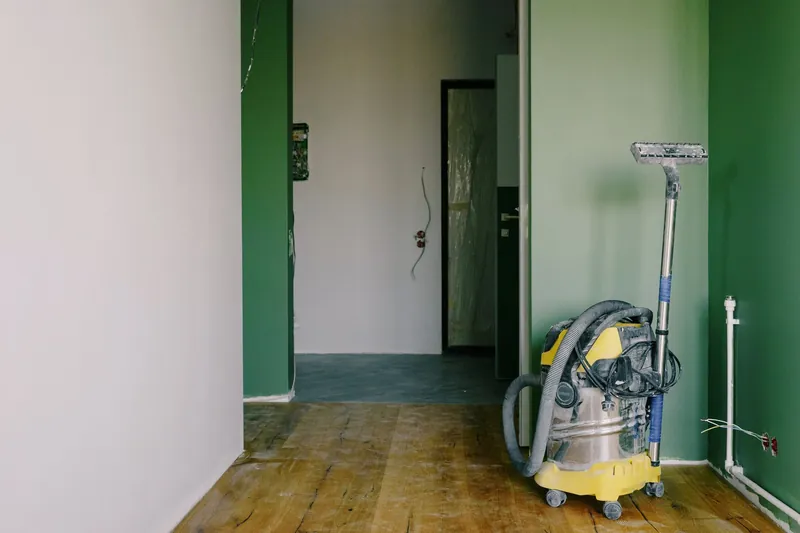
The full hoarder house cleanout guide covers what is cleaned or removed, odor and air quality work, and the rules that apply in your state.
Read the full hoarder house cleanout guideLocal population patterns, housing and site access may affect how containment and cleanup are planned.
Knowing that Massachusetts Eye and Ear Infirmary is about 0.4 miles away helps households plan where to seek care before arranging scene cleanup.
Crews coming in from West End, Government Center/Faneuil Hall or North End should keep vehicles and equipment staged close to the affected property for privacy.
The neighborhood setting makes privacy especially important when equipment must pass through sidewalks, lobbies, or other visible common areas.
Ask on the call about cleanup options for neighboring communities and ZIP codes.
Respectful sorting, item removal and deep cleaning are included in hoarding cleanup.
See hoarding cleanup
Animal hoarding cleanup of waste, urine soaked materials and ammonia odor.
See animal hoarding cleanup
Homes made unsafe for living by squalor and filth receive cleanup.
See filth and squalor cleanup
Following a death, estate cleanout includes sorting possessions and removing them safely.
See estate cleanout after a death
Cleanup after tenants move out or are evicted addresses filth, fluids and discarded waste.
See eviction and tenant move-out biohazard cleanup
Needle and sharps cleanup for yards, rentals, parks and encampments.
See needle and sharps cleanup
Cleanup for rodent waste and hantavirus covers crawl spaces, attic areas and basements.
See rodent droppings and hantavirus cleanup
Biohazard waste pickup and disposal in sealed, labeled containers.
See biohazard waste disposalEstablish shared decision rules and sorting groups before anyone touches the contents. Focus on one limited space, let the person inspect belongings when possible and place important property in an identified area. Sort trash separately from donation and recycling groups. When choices feel overwhelming, stop sorting rather than discard anything permanently without approval from the person.
Cleared spaces receive an inspection for leftover waste, odors, stains, dampness, pest activity and material damage. Afterward, suitable surfaces can be washed and disinfected when contamination requires that step. Your inspection covers saved items and areas that were cleared. Separate repair or replacement can be needed for floors, drywall, cabinetry and fixtures that remain beyond restoration once cleanout ends.
Quick clearing may be possible for one accessible space or a mildly crowded small house, but full-home cleanup often requires more time. Access limits, decisions about belongings, the amount hauled and special-disposal contents each influence timing. A one-day deadline for a heavily crowded home can lead to lost valuables and dangerous handling of stacked contents.
That depends on the work area and the conditions. You may participate in reviewing belongings while remaining in a specified safe space. Keep pets, children and people with health concerns apart from hauling activity, airborne dust and contaminated spaces. If the home cannot maintain a safe exit or usable living area, plan another place to stay.
Protect important belongings, including ID, medication, legal papers, financial files, keys, pictures, jewelry and sentimental property. Also save belongings required for school, employment or a planned move. Before anything is removed, inform the crew which particular belongings must be found. Place retained belongings in their own labeled location to prevent them from going back into active sorting.
Start by inspecting for hazards and choosing a single objective, like making an exit usable or emptying one room. Set categories for keeping, donating, recycling and discarding. Sort small groups at a time, protect priority documents and keepsakes, and remove approved material. Professional cleanup is appropriate for animal waste, hazardous chemicals, sharp objects, unstable piles or other forms of contamination.
Respectful, discreet hoarder house cleanout is available 24 hours a day, and crews arrive in unmarked vehicles.